
How Much Does It Cost to Get Your Guitar Restrung
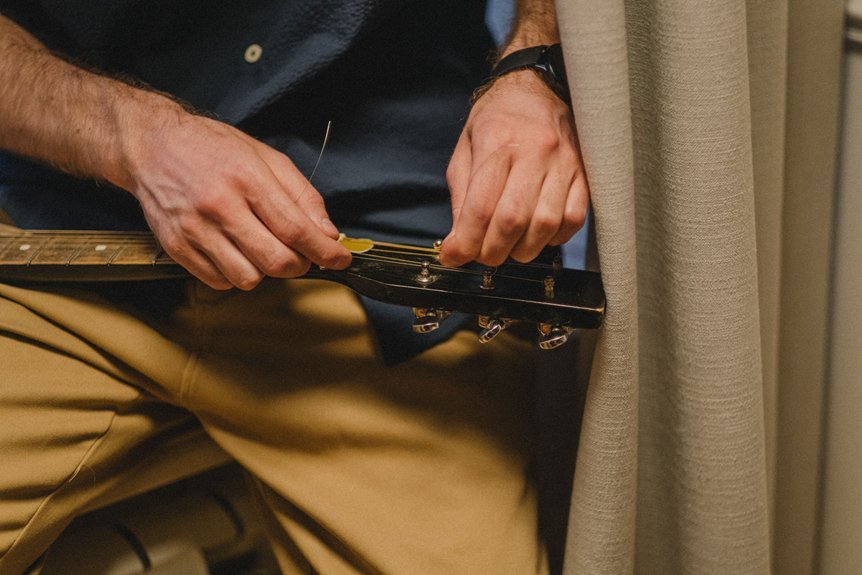
Restringing a guitar varies by shop, instrument type, and string choice. Prices tend to range from modest setups to premium services, with labor, nut work, and saddle adjustments shaping the total. DIY options exist but require the right tools and know-how. Higher tension sets or specialty instruments push costs up, while bundled services can offer value. The exact bill hinges on gauges, material, and the need for setup tweaks, leaving the budget decision open to the next consideration.
What Actually Costs to Restring a Guitar
Restringing a guitar involves several cost factors beyond the strings themselves. The analysis centers on restringing economics, where labor time, service tier, and instrument type shape price. Components include nut and tuner wear, setup, and alignment. Pricing psychology affects perceived value, with bundled offers and transparent itemization guiding decisions. Precision budgeting relies on measurable hours and standard shop rates rather than guesswork.
Diy Stringing Cost Ranges vs. Shop Pricing
DIY stringing costs can diverge significantly from shop pricing, reflecting differences in materials, tools, and time investment. DIY strings may range lower for basic sets yet require investment in quality pegs, winders, cutters, and instrument-specific strings.
Shop pricing includes labor, setup, and guarantees.
Compare total expenditures, noting DIY advantages in control and flexibility versus Shop pricing reliability and service.
How Instrument Type, String Type, and Setup Affect the Bill
Instrument type, string type, and setup requirements directly shape restringing costs by dictating material choices, labor time, and concurrent adjustments.
Depending on guitar type, different string materials and winding counts affect tension, intonation, and nut/saddle work.
Practitioners consider guitar maintenance needs and preferred gauges, influencing component swaps and setup Precision; bill impact reflects complexity, accessibility, and required adjustments rather than mere string replacement.
Getting the Best Value: Tips to Save on Restring Services
Gaining the best value from restring services requires a clear understanding of how factors identified earlier—instrument type, string material, and setup needs—drive both price and outcome.
Practical decisions focus on avoiding unnecessary extras, selecting appropriate gauge, and scheduling efficient work.
Consider Stringing duration and String tension to balance quality with cost, ensuring reliable performance without overpaying for premium components or rush service.
Frequently Asked Questions
Do Guitar Restringing Services Include Tuning After Restringing?
Yes, guitar restringing services typically include tuning after restringing, though it varies by shop. They also address guitar pickup maintenance considerations and humidification effects to stabilize intonation and resonance, ensuring practical, precise setup aligned with freedom-loving players.
How Long Does a Typical Guitar Restring Take?
A typical guitar restring takes about 20 to 60 minutes, depending on string type and player technique. One interesting statistic shows experienced players complete setups faster. The discussion includes timing concerns, frequency maintenance, and two word discussion ideas for clarity.
Are There Safety Concerns With Cheap vs. Premium Strings?
The safety concerns differ; cheap strings may break more at tension, while premium strings offer material durability. A practical cost comparison shows higher upfront cost but reduced replacement frequency, suggesting long-term value for players seeking freedom from frequent restringing.
Should Acoustic and Electric Guitars Be Restrung Together?
“Allegory begins: a clockwork luthier weighs harmony as if tuning needs, while strings signal duties.” The answer: Acoustic maintenance and electric setup should not be restrained together; separate restringing schedules reflect distinct tensions, variables, and practical maintenance considerations.
Does Restringing Affect Warranty Coverage or Resale Value?
Restringing does not inherently affect warranty coverage if performed by a qualified technician; it may influence resale value depending on string choice and documentation. For guitar care, maintain evidence of service; select appropriate string types and installation methods.
Conclusion
Restringing a guitar generally runs about $20–$80 at shops, with DIY options dipping lower but requiring tools and know-how. Instrument type, string material, and setup precision drive costs upward, especially for high-tension sets or specialty guitars. A practical note: transparent itemization helps budgeting, and bundled services can yield efficiencies. An interesting statistic: about 60–70% of shop estimates include at least one optional adjustment (nut, saddle, intonation), underscoring how small add-ons can noticeably impact final cost.